

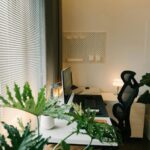
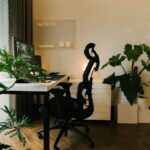

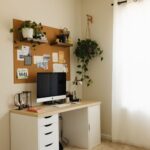
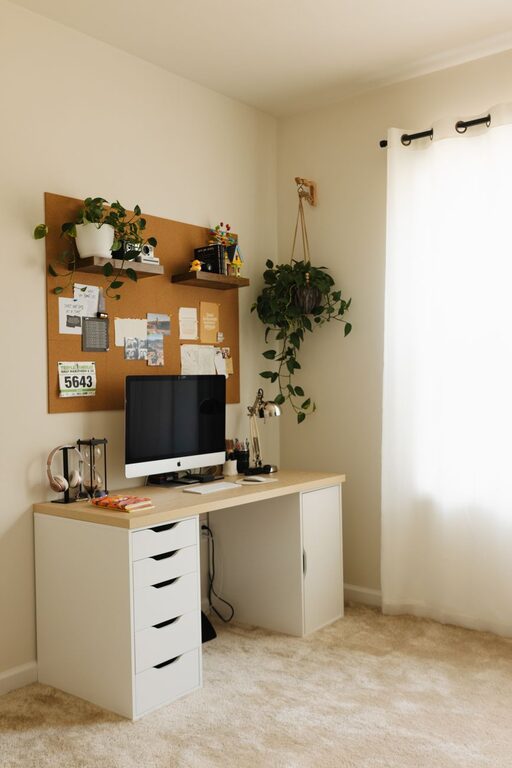
Creating a productive home office environment is essential for anyone who works remotely or spends significant time managing tasks at home. A well-organized and comfortable workspace not only improves your efficiency but also positively impacts your mood and overall work-life balance. In this post, we’ll explore practical tips to help you set up a home office that supports productivity and wellbeing.
Choose the Right Location
Selecting the right spot for your home office is the foundation of productivity. Ideally, choose a quiet area with minimal distractions. If possible, pick a space with natural light, such as near a window. Natural light can improve mood and reduce eye strain.
If space is limited, consider creating a dedicated nook or using room dividers to separate your work area from living spaces. The goal is to establish boundaries between work and personal life, helping you focus during work hours and relax afterward.
Invest in Ergonomic Furniture
Comfort matters, especially if you spend many hours working each day. Investing in ergonomic furniture is a smart step toward staying healthy and productive.
– Chair: Choose an adjustable chair with lumbar support to maintain good posture.
– Desk: Select a desk at an appropriate height to avoid strain on your wrists and shoulders.
– Accessories: Consider a footrest, ergonomic keyboard, and mouse to further enhance comfort.
Taking care of your physical wellbeing reduces discomfort and keeps you energized throughout your workday.
Keep Your Workspace Organized
Clutter can quickly lower your productivity by distracting you or making it harder to find things. Here are some tips to keep your workspace tidy:
– Use desktop organizers or trays for smaller items like pens and notepads.
– Implement filing systems for paperwork, either physical folders or digital solutions.
– Schedule regular desk clean-ups to prevent clutter buildup.
– Use cable management tools to keep wires neat and untangled.
An organized workspace helps you stay focused and makes working more enjoyable.
Optimize Lighting
Lighting plays a significant role in reducing eye strain and fatigue. While natural light is preferable, supplement it with good artificial lighting, especially in the evenings or darker rooms.
– Use adjustable desk lamps to direct light exactly where you need it.
– Choose bulbs with a color temperature of around 4000K to mimic daylight.
– Avoid harsh overhead lighting or glare from screens.
Proper lighting not only protects your eyes but also creates a welcoming atmosphere in your workspace.
Minimize Distractions
Distractions can disrupt your flow and reduce the quality of your work. Consider these strategies:
– Inform family members or roommates of your work schedule to minimize interruptions.
– Use noise-canceling headphones or play white noise to block background sounds.
– Turn off non-essential notifications on your phone and computer during focus times.
– Create a to-do list or daily plan to keep tasks organized and prevent wandering attention.
Setting clear boundaries and managing distractions helps maintain consistent productivity.
Personalize Your Workspace
Your home office should be a place where you feel motivated and comfortable. Adding personal touches can boost your mood and creativity.
– Display photos, plants, or artwork that inspire you.
– Choose colors for your space that you find calming or energizing.
– Incorporate meaningful objects or motivational quotes.
While personalization is good, avoid excessive decorations that may become distractions. Keep it balanced.
Incorporate Breaks and Movement
Sitting for long periods can negatively affect your health and focus. Make sure to:
– Take short breaks every hour to stand, stretch, or walk around.
– Consider using a standing desk or adjustable workstation.
– Do simple exercises or breathing techniques during breaks.
Regular movement refreshes your body and mind, helping you stay productive throughout the day.
Use Technology Wisely
Technology can streamline your workflow but can also become a source of distraction or frustration if not managed well.
– Use productivity apps for task management, calendar scheduling, and note-taking.
– Keep your software and hardware updated to avoid technical issues.
– Set boundaries for social media and non-work browsing during work hours.
Efficient use of technology supports smooth and focused work sessions.
Maintain a Healthy Work-Life Balance
Finally, remember that a productive home office environment supports work-life balance, not just work output.
– Set clear working hours and stick to them.
– Disconnect from work devices after hours.
– Create rituals that signify the start and end of your workday, such as a morning walk or closing your laptop at a set time.
By separating work and personal time, you’ll avoid burnout and enjoy greater satisfaction in both areas.
—
Creating a productive home office environment involves thoughtful planning and consistent habits. By choosing the right location, investing in ergonomic furniture, managing distractions, and caring for your wellbeing, you can build a workspace that helps you thrive every day. Experiment with these tips and adjust your setup as needed to find what works best for you.